{mlang it}Il Centro di Ricerca Gianfranco Ferré, Politecnico di Milano{mlang}{mlang en}Gianfranco Ferré Research Center, Politecnico di Milano{mlang}
La Storia
Il Centro di Ricerca Gianfranco Ferré (2021 – oggi)
Il Centro di Ricerca Gianfranco Ferré, Innovazione Digitale per le Industrie Creative e Culturali è stato costituito a dicembre 2021 dal Politecnico di Milano a seguito della donazione all’ateneo dell'archivio storico e della sede della già Fondazione Gianfranco Ferré da parte della famiglia Ferré.
Il Centro di Ricerca, coordinato dal Laboratorio di Ricerca Fashion in Process del Dipartimento di Design, coniuga la cultura del progetto e il know-how tecnico-scientifico caratterizzanti l'identità del Politecnico con il patrimonio materiale e immateriale conservato e valorizzato dalla Fondazione Gianfranco Ferré dal 2008 al 2021.
Si fonda su una visione interdisciplinare orientata a valorizzare la storia, la cultura e le tecniche della moda attraverso l’innovazione con particolare attenzione alla trasformazione digitale e tecnologica.
Grazie al contributo di diversi Dipartimenti integra numerosi domini disciplinari che vanno dalla progettazione della moda all’ingegneria informatica e matematica, sino alle tecnologie manifatturiere.
Sotto il coordinamento del Dipartimento di Design, contribuiscono alle attività del Centro di Ricerca il Dipartimento di Meccanica, il Dipartimento di Elettronica, Informazione e Bioingegneria e il Dipartimento di Matematica.
Il Centro di Ricerca è anche parte integrante del Sistema Archivistico e Bibliotecario del Politecnico di Milano.
La Fondazione Gianfranco Ferré (2008 – 2021)
La Fondazione Gianfranco Ferré ha operato dal 2008 al 2021 con lo scopo di conservare, ordinare e mettere a disposizione del pubblico – sotto forma di archivio fisico e virtuale – tutto ciò che documentasse l’attività creativa dello stilista, attraverso la promozione di iniziative a carattere culturale che avessero attinenza con la filosofia di Gianfranco Ferré, la sua cultura progettuale, la sua concezione della moda e dell’estetica.
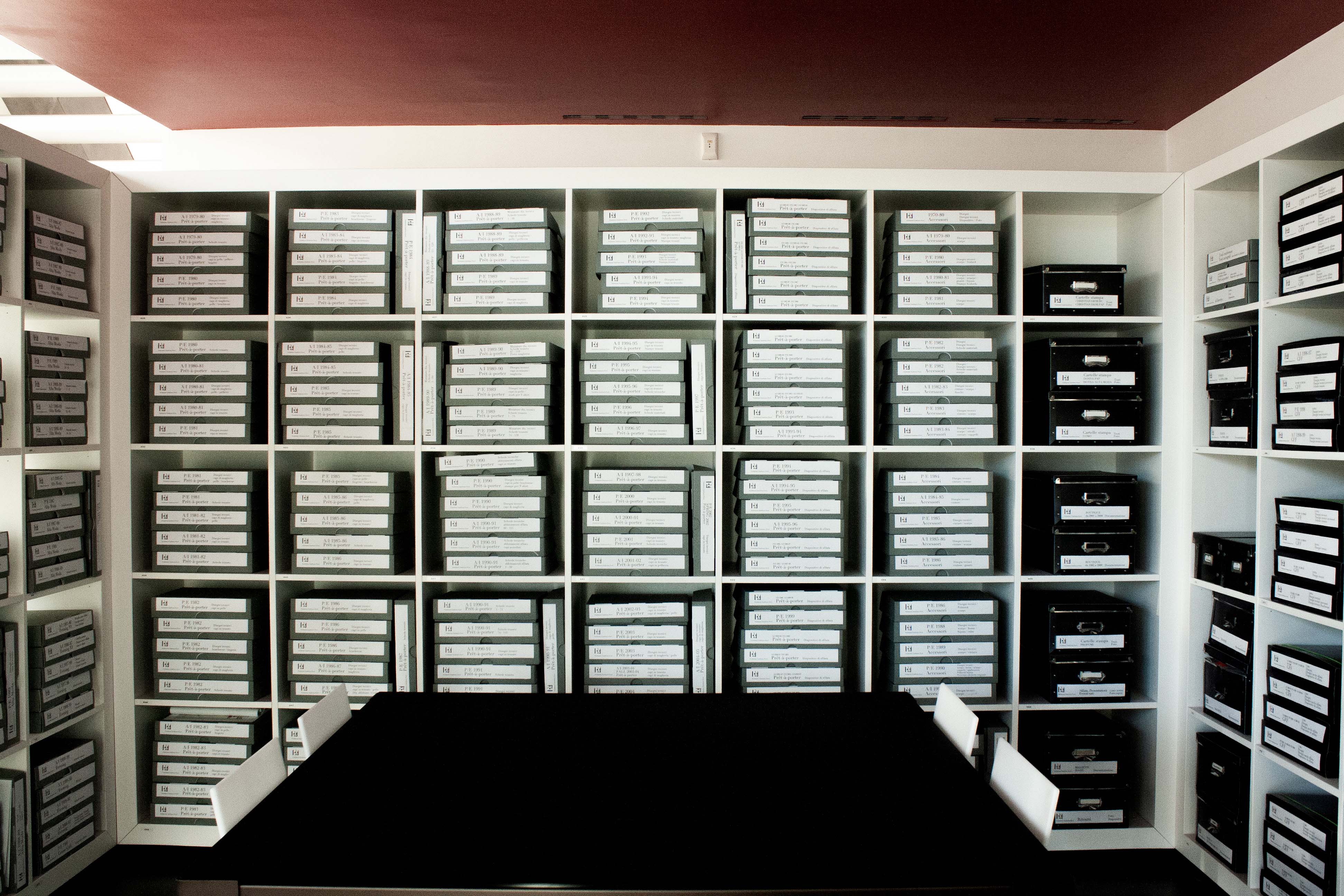
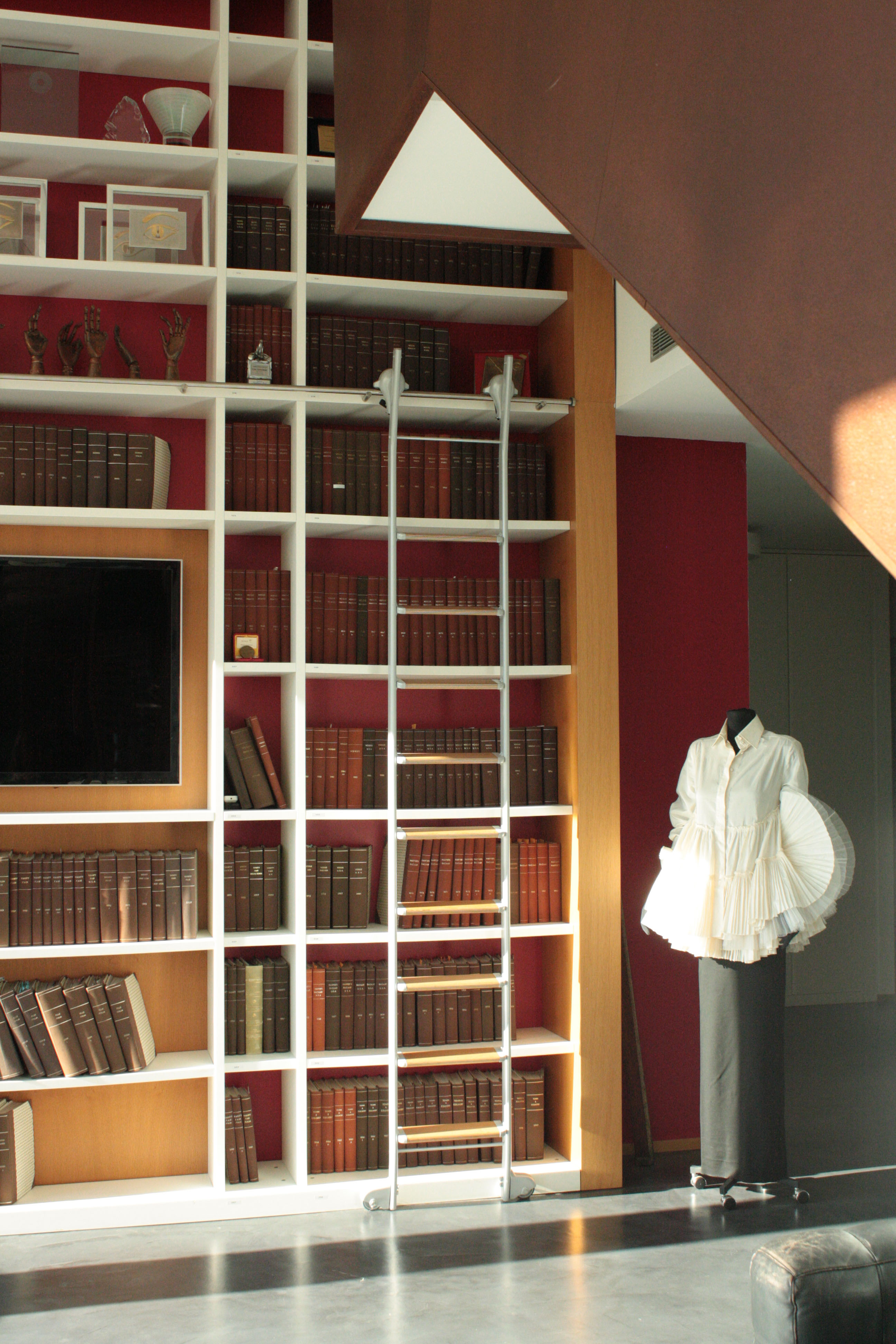
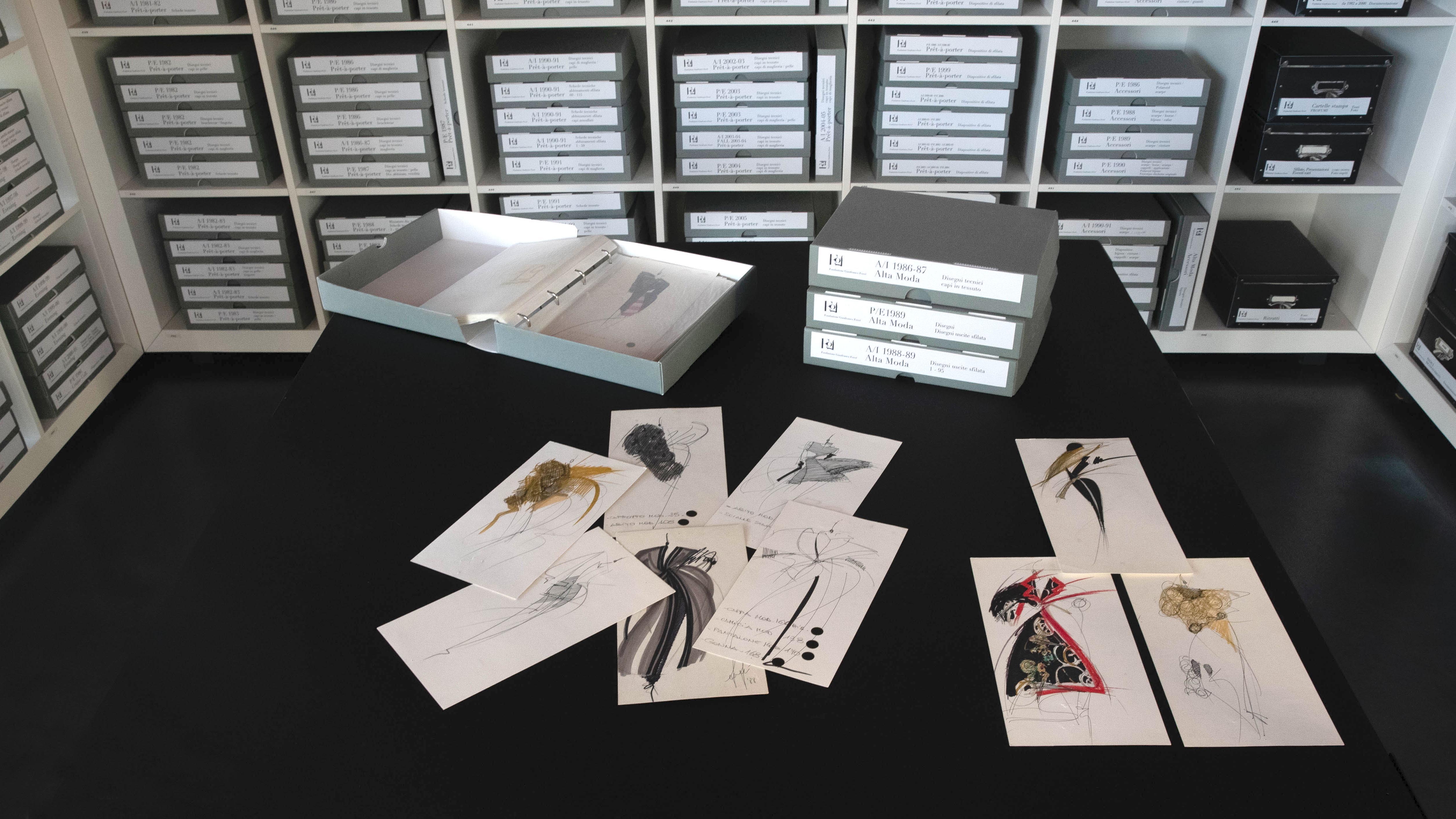
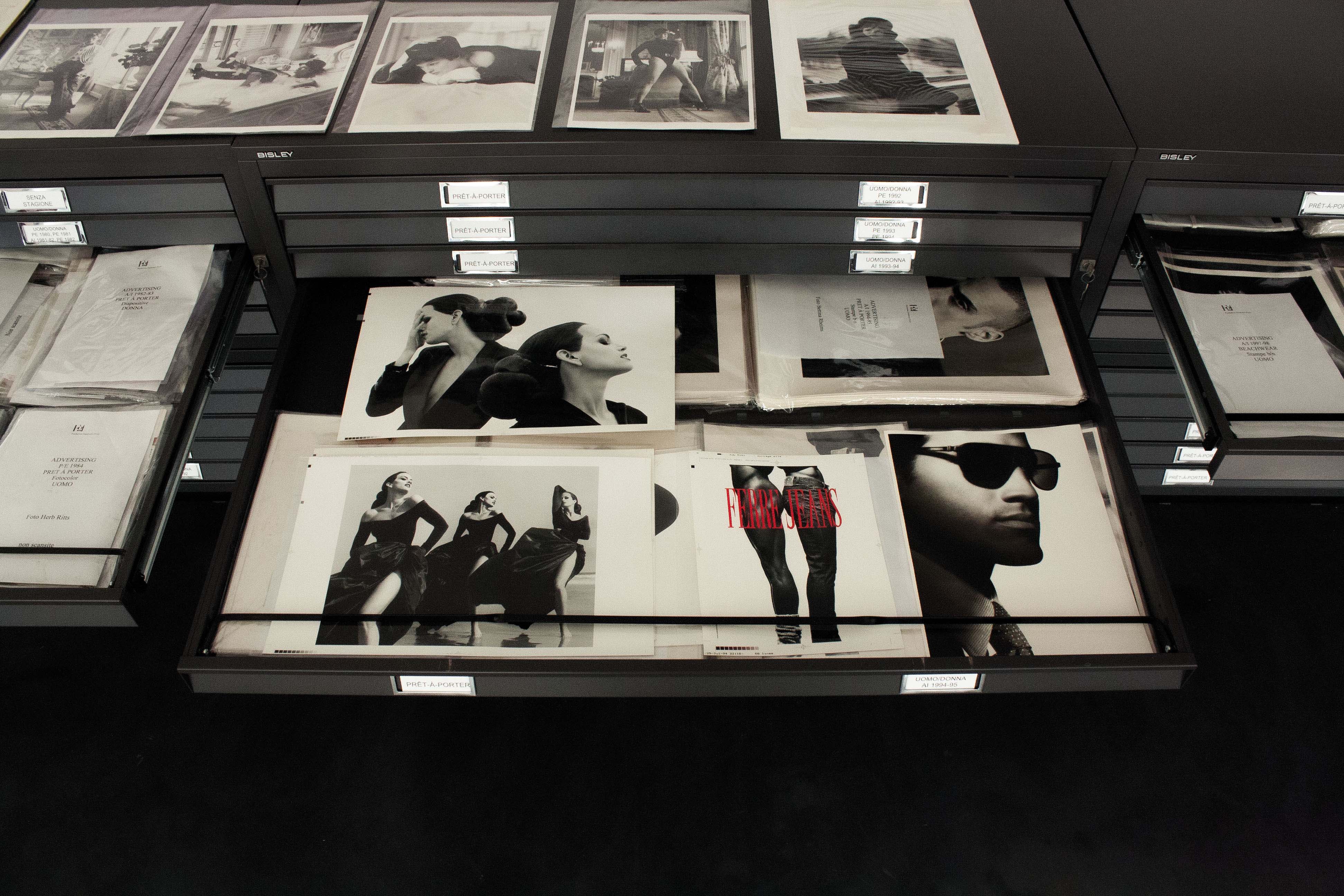
L’attività della Fondazione si è tradotta nella costituzione dell’archivio con relativo spazio espositivo, in cui trova collocazione tutto quanto è stato conservato dell’attività progettuale di Gianfranco Ferré: più di 150.000 documenti e artefatti, completamente inventariati, tra cui 22.000 fra schizzi e disegni tecnici e 50.000 foto; 3.500 abiti e accessori; oggetti appartenenti alle collezioni del designer; più di 1.600 volumi rilegati per annata di riviste di settore dal 1970 al 2007 e infine filmati, rassegne stampa, scritti, lezioni e appunti redatti dallo stilista stesso. La maggior parte di questo patrimonio, oltre 100.000 documenti, è stata inserita in un database dalla struttura lineare e capillarmente articolata, sulla base di criteri tematici e cronologici, per lo studio e la consultazione.
Grazie all’impegno della Fondazione, questo patrimonio è stato riconosciuto nel 2014 “d’interesse storico particolarmente importante” da parte del Ministero dei Beni e delle Attività Culturali e della Soprintendenza Archivistica e Bibliografica della Lombardia. Una testimonianza tangibile dell’unicità e del valore di quanto conservato, nonché del lavoro di tutela e riordino svolto dalla Fondazione per renderlo fruibile e garantirne continuità e trasmissibilità.
La donazione al Politecnico di Milano nel 2021, con la contestuale trasformazione in Centro di Ricerca, ha inserito l’archivio in una nuova visione capace non solo di assicurarne la tutela e accessibilità, ma di ampliarne le attività nel campo della formazione e della ricerca scientifica.
Il Centro ha oggi l’obiettivo di dare continuità alla memoria e all'eredità culturale dell’ Alumnus Gianfranco Ferré confrontandosi con i nuovi paradigmi scientifici e tecnologici ed esplorando traiettorie di innovazione capaci di contribuire allo sviluppo della cultura della moda.
La Missione
I settori legati alla cultura e alla creatività rappresentano componenti identitarie distintive della cultura italiana ed europea e del suo riconoscimento e posizionamento in ambito internazionale.
Le potenzialità offerte dall’attuale trasformazione tecnologica aprirono oggi nuove frontiere per la conservazione e valorizzazione del patrimonio culturale tangibile e intangibile.
Al contempo, richiedono un processo di aggiornamento delle conoscenze e delle competenze che ne consenta un utilizzo efficace, responsabile ed inclusivo.
Alla luce dei cambiamenti in atto e delle sfide attuali, il Centro di Ricerca ha la missione di promuovere l'innovazione digitale per le Industrie Creative e Culturali.
Nello specifico intende:
- custodire e valorizzare l’Archivio Storico Gianfranco Ferré, anche attraverso il suo potenziamento e la progettazione di modelli di fruizione e divulgazione capaci di valorizzare il patrimonio conservato, favorendo l’interazione con pubblici eterogenei;
- esplorare le potenzialità offerte dalle tecnologie digitali sviluppando un “archivio aumentato”, come ambiente immersivo in cui ogni componente fisica è dotata di approfondimenti virtuali che proiettano gli utenti in un’esperienza interattiva e intertestuale;
- promuovere la cultura e l’innovazione digitale nel settore delle industrie creative e culturali, con particolare attenzione alla moda e al Made in Italy, attraverso lo sviluppo di prototipi e soluzioni trasferibili ad altre istituzioni culturali e imprese creative, per incrementarne attrattività e competitività.
- promuovere attività di carattere divulgativo, culturale e formativo capaci di valorizzare il patrimonio archivistico e l’aggiornamento dei contenuti, dei saperi e delle competenze ad esso collegati, favorendo il coinvolgimento di esperti, ricercatori, curatori, giornalisti, studenti e pubblici non specialisti.
La Sede
Il Centro di Ricerca Gianfranco Ferré è situato all’interno del complesso Tortona 37 progettato dallo studio Matteo Thun & Partners e costruito su un'area ex industriale, oggi cuore del distretto del design milanese.
Il progetto di definizione degli ambienti interni è stato affidato all’Architetto Franco Raggi, compagno di università ed amico di Gianfranco Ferré che, con lui, era già stato protagonista di analoghi interventi riguardanti altri spazi in cui lo stilista ha operato, tra cui la storica sede di via Pontaccio 21 (1998-2013) già Palazzo Gondrand e oggi sede di Kiton.
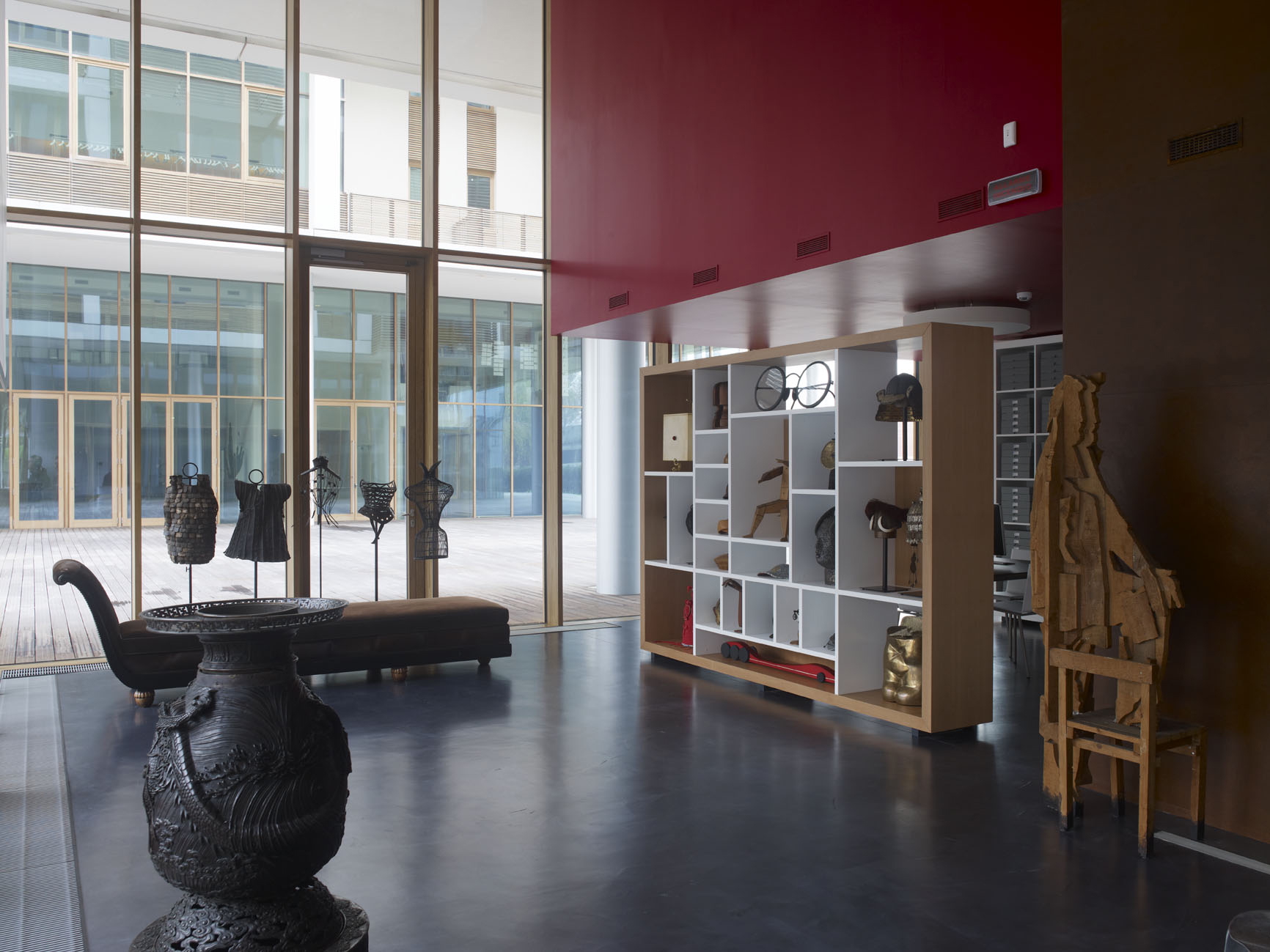
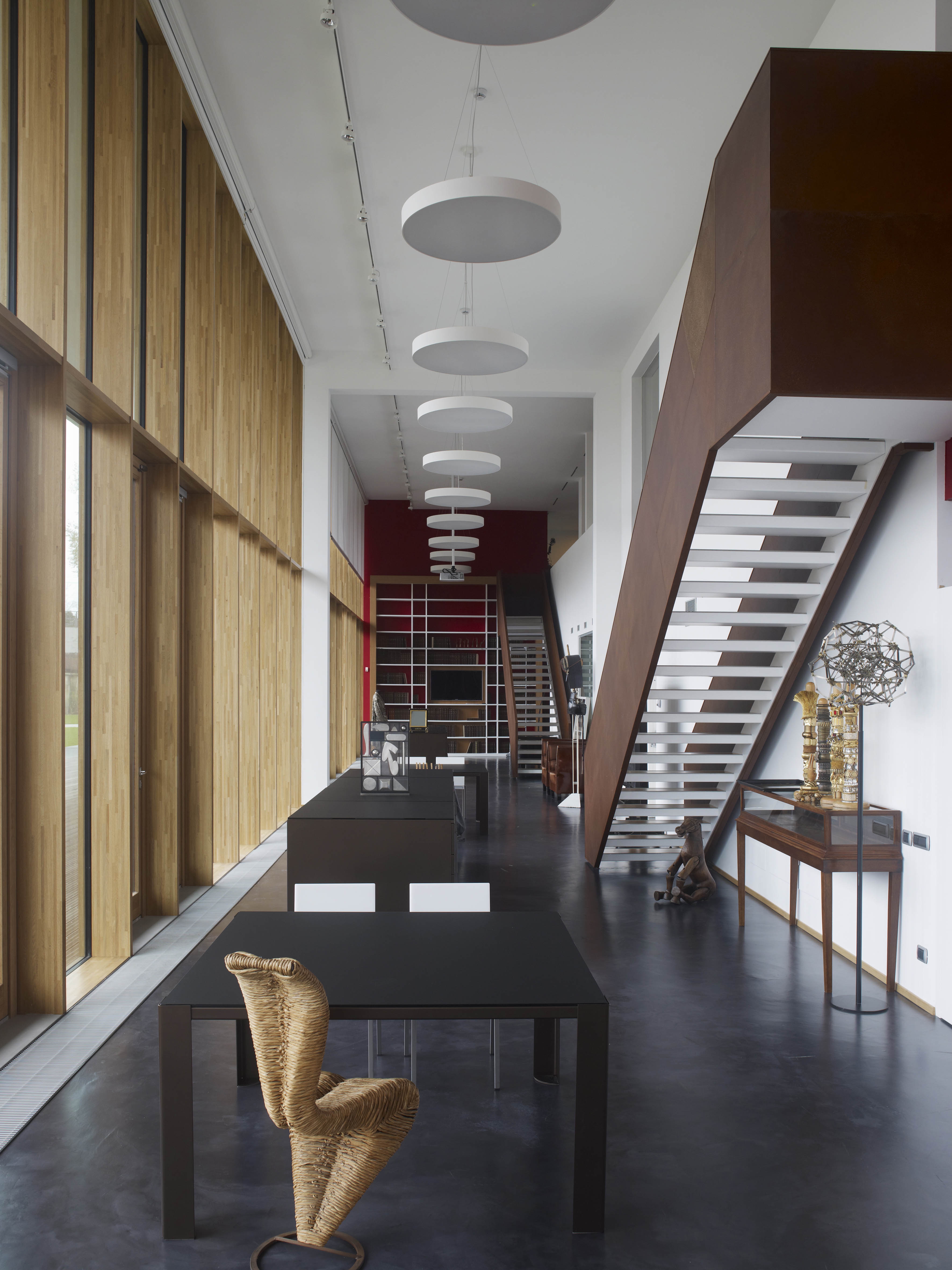
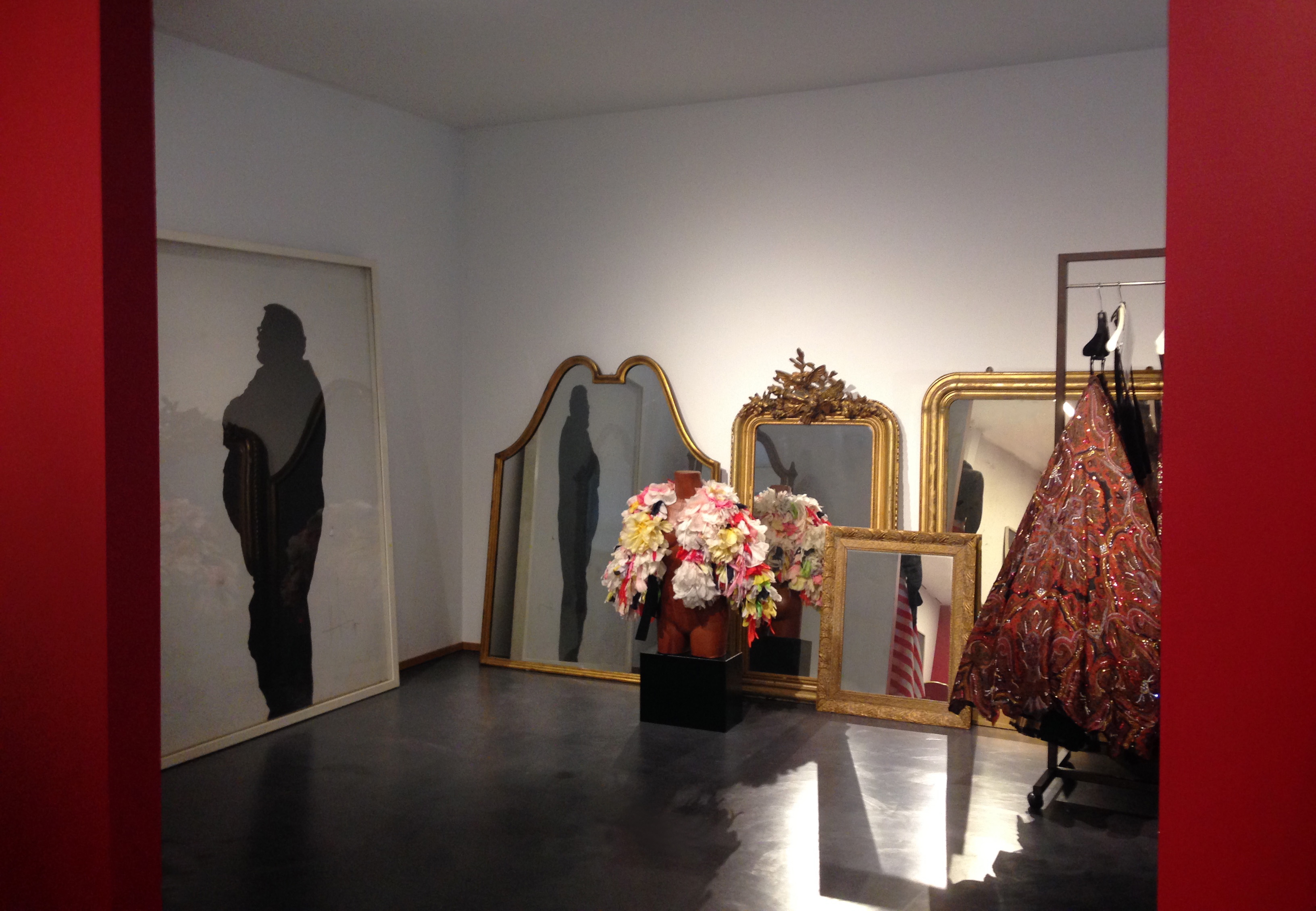
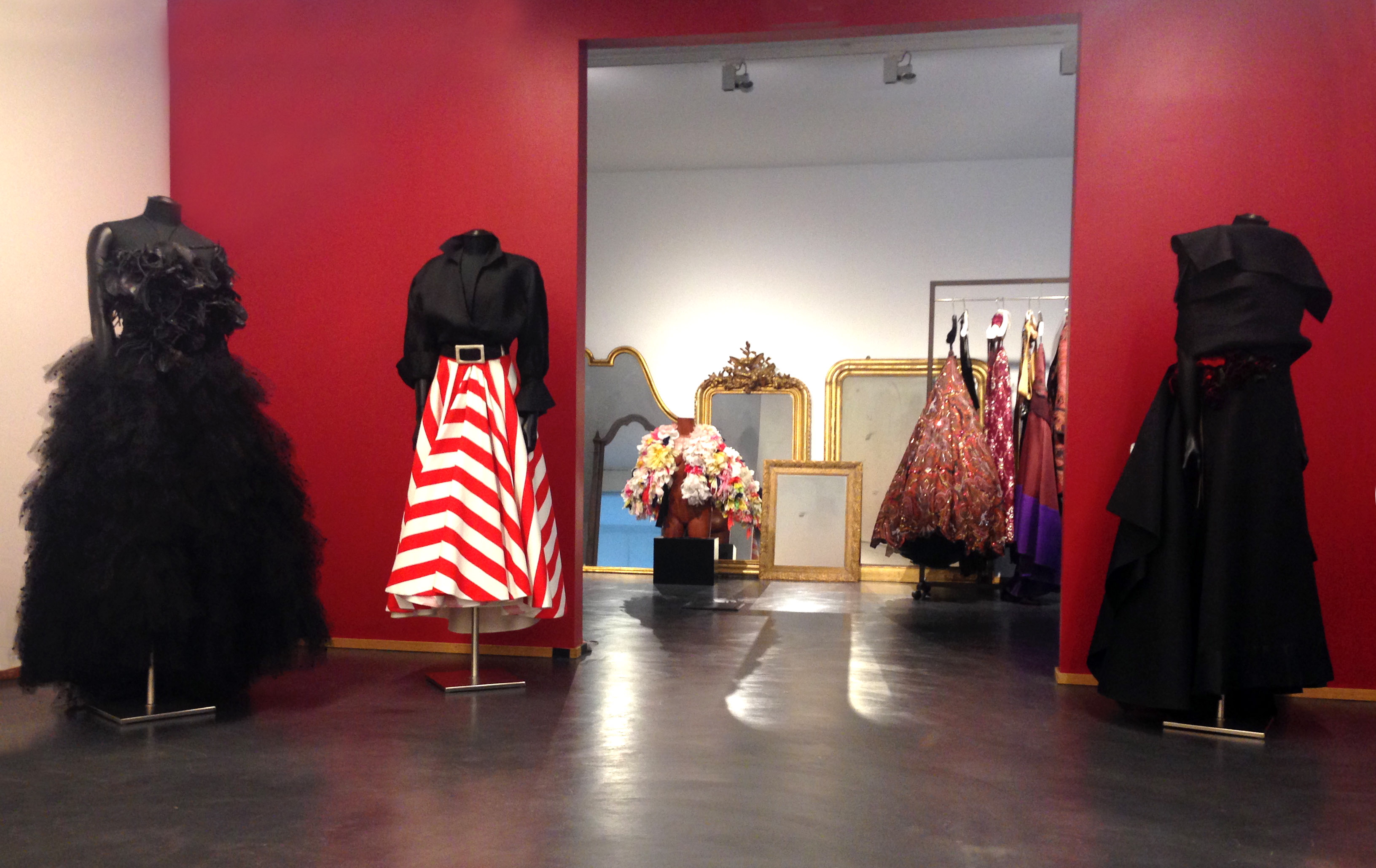
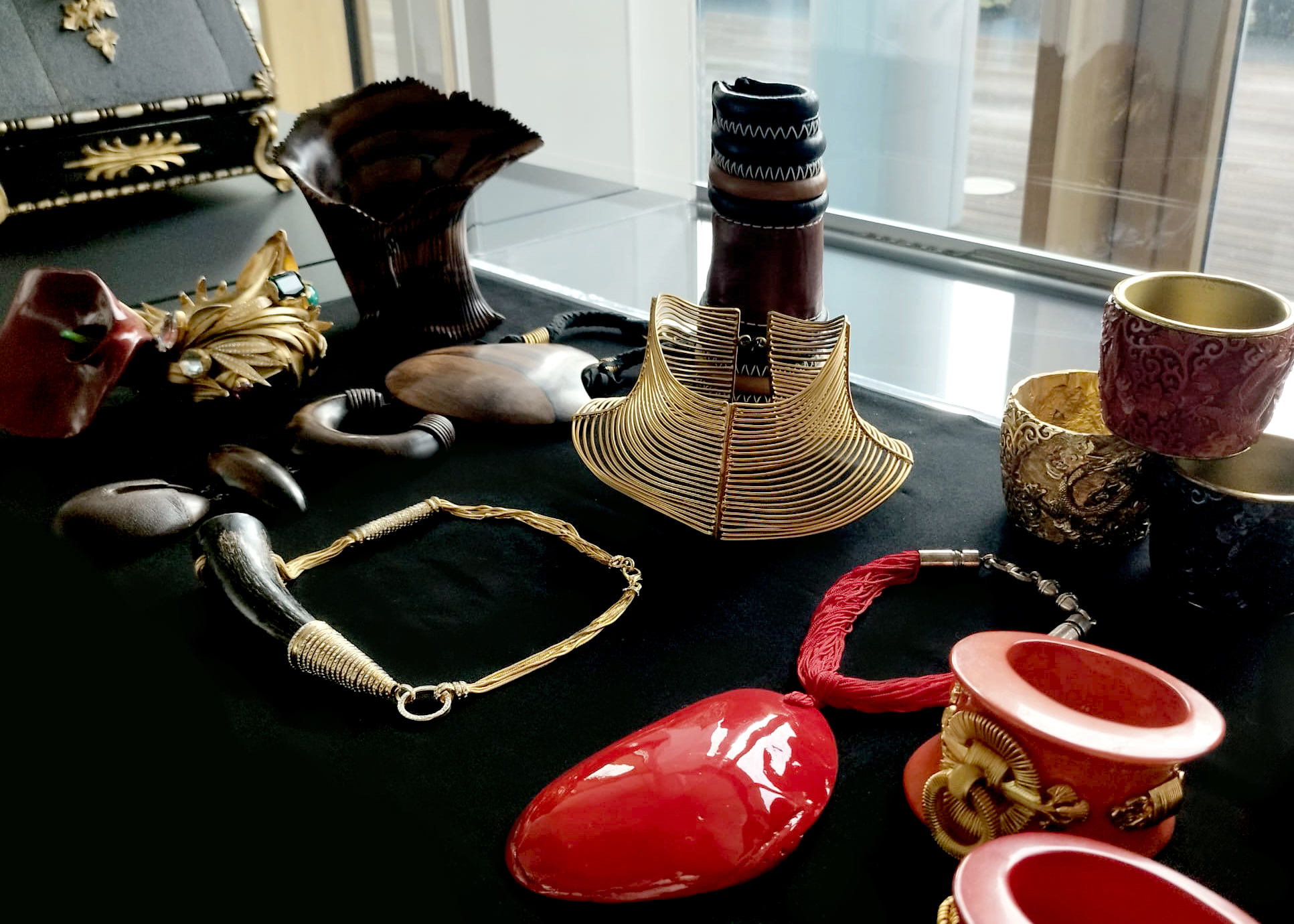
La configurazione dello spazio, articolata su due livelli, e la definizione estetica riprende alcuni temi cromatici e materici cari a Gianfranco Ferré: il colore rosso, la ruggine, i materiali scuri e la presenza diffusa di arredi e oggetti vari, curiosi e preziosi raccolti dallo stesso stilista in più di trenta anni di attività e di viaggi. 600 metri quadri di superficie totale concepiti in un’ottica di multifunzionalità per essere aree di lavoro e di conservazione della documentazione storica, per ospitare incontri, conferenze, lezioni ed anche esposizioni temporanee.
Sono le stesse parole dell’Architetto Raggi a chiarire al meglio l’identità e “l’anima” della sede: “Ho pensato di alludere a qualcosa che Gianfranco Ferré amava: il rigore innanzitutto ed il raccogliere cose, impressioni, immagini, materie e colori, che restituiva magicamente nel suo mestiere. Quando, più di quindici anni fa, mi ha coinvolto per ‘pensare’ alla sede di via Pontaccio, abbiamo costruito una macchina per lavorare non priva di atmosfere sorprendenti, ma comunque molto funzionale e ricca di qualità. Sono pezzi di memoria che oggi disegnano uno spazio lineare, geometrico e luminoso. Ora lui non c’è, ma ci sono i suoi oggetti e i documenti del suo fare, raccolti e ordinati in questo luogo di studio, e di idee, che ci raccontano una storia ancora bellissima”.
History
The Gianfranco Ferré Research Centre (2021 – today)
The Gianfranco Ferré Research Center, Digital Innovation for Creative and Cultural Industries, was established in December 2021 by Politecnico di Milano following the donation by the Ferré family of the historical archive and headquarters of the former Gianfranco Ferré Foundation.
The Research Center, coordinated by the Fashion in Process Research Laboratory of the Department of Design, combines the design culture and technical-scientific know-how characterizing the identity of Politecnico with the material and immaterial heritage preserved and enhanced by the Gianfranco Ferré Foundation from 2008 to 2021.
It is based on an interdisciplinary vision oriented to enhance the history, culture and techniques of fashion through innovation with a focus on digital and technological transformation.
Thanks to the contribution of several Departments, it integrates numerous disciplinary domains ranging from fashion design to computer and mathematical engineering to manufacturing technologies.
Under the coordination of the Department of Design, its activities are also fostered by the Department of Mechanics, the Department of Electronics, Information and Bioengineering, and the Department of Mathematics.
The Research Center is also an integral part of the Archives and Library System of Politecnico di Milano.
The Gianfranco Ferré Foundation (2008 – 2021)
The Gianfranco Ferré Foundation operated from 2008 to 2021. It aimed to preserve, sort, and make available to the public – in the form of a physical and digitized archive – everything that documented the creative activity of the fashion designer. It promoted initiatives of a cultural nature that related to Gianfranco Ferré's philosophy, his design culture, and his conception of fashion and aesthetics.
The Foundation's activities resulted in the establishment of the archives with a related exhibition space, which houses everything that has been preserved of Gianfranco Ferré's design activity: more than 150.000 documents and artifacts, completely inventoried, including 22.000 among sketches and technical drawings and 50.000 photos; 3.500 garments and accessories; objects belonging to the designer's collections; more than 1.600 bound volumes by vintage of trade magazines from 1970 to 2007; and finally films, press reviews, writings, lectures and notes written by the designer himself. Most of this heritage, more than 100.000 documents, has been placed in a database with a linear and capillary structure, based on thematic and chronological criteria, for study and consultation.
Most of this heritage, more than 100.000 documents, was entered into a database with a linear and capillary structure, based on thematic and chronological criteria, for study and consultation.
Thanks to the Foundation's efforts, this heritage was recognized in 2014 as being of “particularly important historical interest” by the Ministry of Cultural Heritage and Activities and the Archival and Bibliographic Superintendence of Lombardy. A tangible testimony to the uniqueness and value of what has been preserved, as well as to the work of protection and reorganization carried out by the Foundation to make it usable and ensure its continuity and transmissibility.
The donation to Politecnico di Milano in 2021, with the concomitant transformation into a Research Center, placed the archive in a new vision capable not only of ensuring its protection and accessibility, but also of expanding its activities in the field of education and scientific research.
Today, the Center aims to give continuity to the memory and cultural legacy of the Alumnus Gianfranco Ferré by confronting new scientific and technological paradigms and exploring trajectories of innovation capable of contributing to the development of fashion culture.
Mission
Sectors related to culture and creativity represent distinctive identity components of Italian and European culture, and their recognition and positioning in the international arena.
The potential offered by the current technological transformation now opens new frontiers for the preservation and enhancement of tangible and intangible cultural heritage.
At the same time, they require a process of updating knowledge and skills to enable their effective, responsible, and inclusive use.
In light of the current changes and challenges, the Research Center's mission is to promote digital innovation for the Creative and Cultural Industries.
Specifically, it intends to:
- preserve and enhance the Gianfranco Ferré Historical Archives, through innovative fruition and dissemination models capable of enhancing the preserved heritage, encouraging interaction with heterogeneous audiences;
- explore the potential offered by digital technologies by developing an “augmented archive”, as an immersive environment in which each physical component is equipped with virtual insights that project users into an interactive and intertextual experience;
- promote culture and digital innovation in the creative and cultural industries, with particular attention to fashion and Made in Italy, through the development of prototypes and solutions transferable to other cultural institutions and creative enterprises, in order to increase their attractiveness and competitiveness;
- promote activities of a popular, cultural and educational nature capable of enhancing the archival heritage and the updating of content, knowledge and skills related to it, encouraging the involvement of experts, researchers, curators, journalists, students and non-specialist audiences.
Headquarters
The Gianfranco Ferré Research Center is located within the Tortona 37 complex, designed by Matteo Thun & Partners and built on a former industrial area, now the heart of Milan's design district.
The project to define the interior spaces was entrusted to Architect Franco Raggi, a university classmate and friend of Gianfranco Ferré who had already been the protagonist of similar interventions concerning other spaces in which the fashion designer worked, including the historic headquarters of the brand in Via Pontaccio 21 (1998-2013), formerly Palazzo Gondrand and today the headquarters of Kiton.
The configuration of the space, articulated on two levels, and the aesthetic definition picks up on some of the chromatic and material themes dear to Gianfranco Ferré: the color red, rust, dark materials and the widespread presence of various, curious and precious furnishings and objects collected by the designer himself in more than thirty years of activity and travel. 600 square meters of total area conceived in view of multifunctionality to be work areas and areas for documentation preservation, to host meetings, conferences, lectures, and even temporary exhibitions.
It is Architect Raggi's own words that best clarify the identity and “soul” of the headquarters: “I thought of alluding to something that Gianfranco Ferré loved: rigor first and foremost and collecting things, impressions, images, materials and colors, which he magically returned in his craft. When, more than fifteen years ago, he involved me in ‘thinking’ about the headquarters in Via Pontaccio, we built a working machine not devoid of surprising atmospheres, but still very functional and rich in quality. These are pieces of memory that today draw a linear, geometric, and bright space. Now he is not there, but there are his objects and documents of his making, collected and ordered in this place of study, and of ideas, which tell us a still beautiful story”.